
Paradox and Power: The Global Trends Shaping Christianity in 2025 🌍
Christianity in 2025 is defined by two contradictory and compelling forces: explosive demographic growth primarily in the Global South, and escalating, brutal persecution in many of those same growth zones. This dichotomy has propelled the state of Christians globally to the forefront of international political debate and humanitarian concern.
1. The Global South Explosion: A Growing Majority
Forget the narratives of decline; Christianity is thriving on a continental scale, shifting the faith’s center of gravity away from Europe and North America.
- Growth Rate: Globally, Christianity is expanding at an average rate of 0.98% annually, outpacing the world’s population growth. There are currently over 2.6 billion Christians, a figure projected to top 3 billion before 2050.
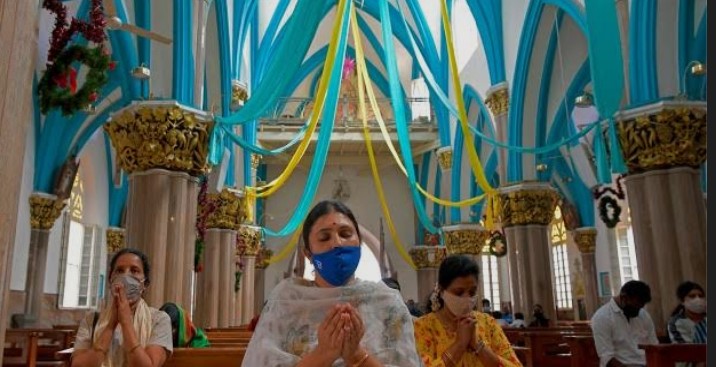
- African Dominance: Africa is now home to an estimated 750 million Christians, a number rapidly increasing and projected to reach over 1.2 billion by 2050. Today, two out of three Christians worldwide reside in the Global South (Africa, Asia, and Latin America).
- Rise of the Charismatics: Driving this growth are Evangelicals and Pentecostal/Charismatic groups, which are experiencing high growth rates and injecting dynamic energy into the global faith.
- The Unexpected Trend: While Western media often focuses on secularization, the global number of those identifying as Atheist has actually been decreasing, counter to many expectations.
The faith is not contracting; it is simply relocating, making Africa and Asia the new hubs of Christian identity and influence.
2. Escalating Persecution: A Crisis in Africa
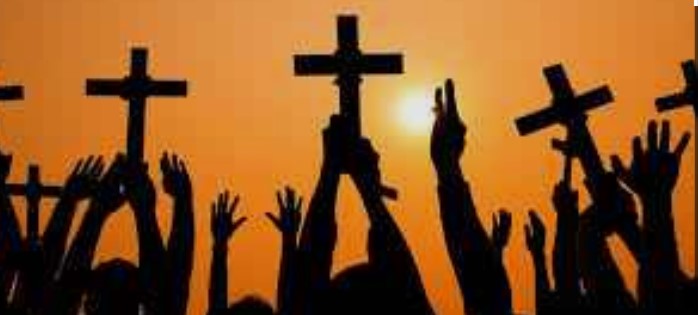
The paradox deepens where the church grows fastest. The threat of violence and oppression remains a defining and tragic reality for millions of Christians, particularly in Sub-Saharan Africa.
- Nigeria and the DRC: These two countries dominate headlines regarding mass violence. In Nigeria, Christian communities continue to be targeted by militant groups, bandits, and armed extremists, leading to mass killings, displacement, and the destruction of churches. Similarly, the Democratic Republic of Congo (DRC) has witnessed barbaric attacks, with ADF (Allied Democratic Forces) militants responsible for massacres and beheadings of dozens of Christians in provinces like North Kivu and Ituri in early 2025.
- Targeted Violence: International religious freedom organizations, including Open Doors and Aid to the Church in Need (ACN), continue to stress that this is targeted violence. Cathedrals and churches globally have been lighting up in red for “Red Wednesday” to raise awareness of the severity of persecution worldwide.
- Global Decline in Freedom: A broader trend identified in recent reports warns that two-thirds of humanity lives in countries without full religious freedom, driven by authoritarianism, the advance of jihadism, and religious nationalism.
3. Political & Diplomatic Interventions
The severity of the persecution crisis, particularly in Nigeria, has forced international governments to act, making Christian protection a key foreign policy pillar.
- US Pressure: The U.S. government has considered or implemented severe measures, including designating Nigeria as a “Country of Particular Concern” (CPC) for tolerating severe religious freedom violations. This designation allows for the use of sanctions.
- European Parliament Condemnation: The European Parliament has passed resolutions strongly condemning the barbaric crimes committed against Christians in the DRC, stressing the need for urgent international action to protect religious minorities.
- The Foreign Policy Debate: The crisis has become a political tool, with U.S. politicians using the threat of cutting all aid or taking military action against militant groups if governments fail to protect Christian populations—a move that increases diplomatic tension but raises the profile of the humanitarian tragedy.
The trending news about Christians in 2025 is ultimately a narrative of resilience. It showcases a faith that is expanding its global footprint while simultaneously forcing the world to confront the moral imperative of protecting freedom of worship for those facing the ultimate cost.
What other trending topics would you like to explore? put that in comment section